
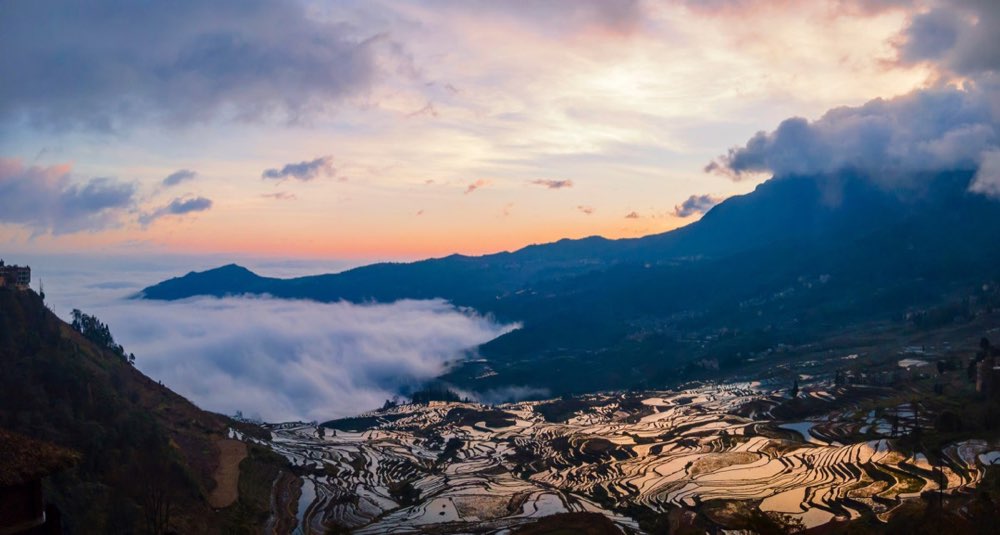
Yunnan, without the guesswork
Six destinations, explained plainly. What each place is actually like, when to go, and the one difficulty nobody mentions in the brochure.
Where Yunnan actually is
Yunnan is a province in the far southwest of China, roughly the size of Germany, sharing 4,060 kilometres of border with Myanmar, Laos and Vietnam.
What makes it unusual is the way the land is built. The Hengduan mountains run north to south through the province, and three great rivers — the Yangtze, the Mekong and the Salween — run roughly parallel between them, each in its own deep valley. That north–south grain is why the same province holds tropical rainforest at 500 metres and Tibetan monasteries at 3,300 metres, and why you can move from banana trees to snow in a single day of driving.
The altitude ladder is the single most useful thing to understand before you plan a route: Jinghong in the south sits at about 550 metres, Dali at 2,000, Lijiang at 2,400, Shangri-La at 3,300, and the peaks above them reach past 5,500.
When to come
November to April — the dry season
Clear skies, cold nights, and the best mountain views of the year. The south stays warm and pleasant while the plateau is bright and sharp. This is the season most people should aim for.
May to October — the green season
Lush, warm, and wet. Rain usually falls in the afternoon and evening rather than all day, and the terraces and forests look their best. Mountain roads and trekking routes can be affected, so build a buffer day into any route through Nujiang or western Dehong.
Shoulder weeks
Early May, late September and October are the sweet spots: dry enough, green enough, and quieter than the Chinese national holidays in early October, when every hotel in Dali and Lijiang fills up.
Who lives here
Yunnan is home to 25 ethnic groups with long histories in the province, which is more than any other province in China. The ones you will meet on this route: the Bai around Erhai Lake, known for white-walled courtyards, three-course tea and indigo tie-dye; the Naxi of Lijiang, who kept a pictographic script and a written ritual tradition; Tibetans on the Diqing plateau, with their monasteries, thangka painting and yak herds; the Lisu, Nu and Dulong of the Nujiang gorge, farming slopes that look impossible; the Dai of Dehong and Xishuangbanna, with Theravada Buddhist temples and stilt-house villages; and the Jingpo on the ridges above them.
Mentioning a group's customs is not the same as putting them on display. Where this site describes a festival or a practice, it also says how to behave around it.
What you eat
Raw slices dropped into a bowl of near-boiling broth at the table. The Kunming dish, and the best first meal in the province.
Chicken steamed in a clay pot with no added water; the broth is what condenses inside. Jianshui is the home of the pot.
Stuffed with lemongrass and herbs, grilled over charcoal. Eaten with the fingers in Xishuangbanna and Dehong.
Milk stretched into sheets and grilled with rose jam — a dairy tradition you would not expect this far south.
Salty, oily, and exactly what you want at 3,300 metres in Shangri-La.
Dozens of species in a chicken broth, from roughly June to September. Cook it thoroughly — the locals do.
Getting around
- Fly in. Kunming is the main hub; Dali, Lijiang, Shangri-La, Mangshi and Jinghong all have airports.
- Rail. High-speed trains link Kunming with Dali and Lijiang, and a line now runs south to Xishuangbanna.
- Road. Buses and shared vans cover everything else. For Nujiang and the Dehong border, a car with a driver is the practical option.
- Distances lie. On the map, Dali to Shangri-La looks like a morning. It is a full day. Ten to fourteen days covers three or four of these six destinations well, not all six.
Six destinations
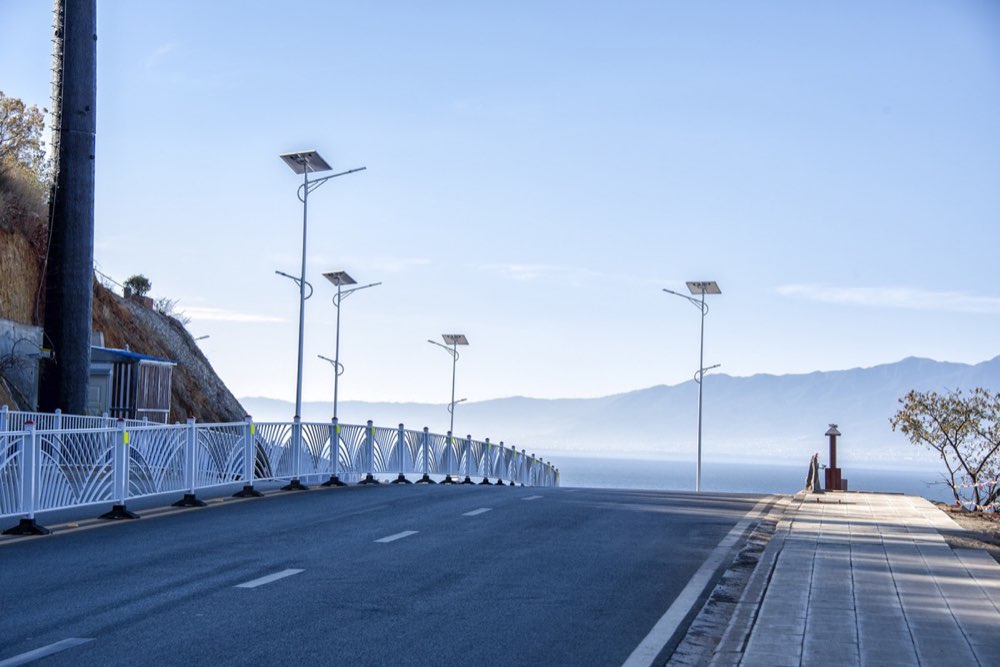
Dali
A lake, a mountain range, a walled town
Travellers who want slow days, good food and a bicycle.
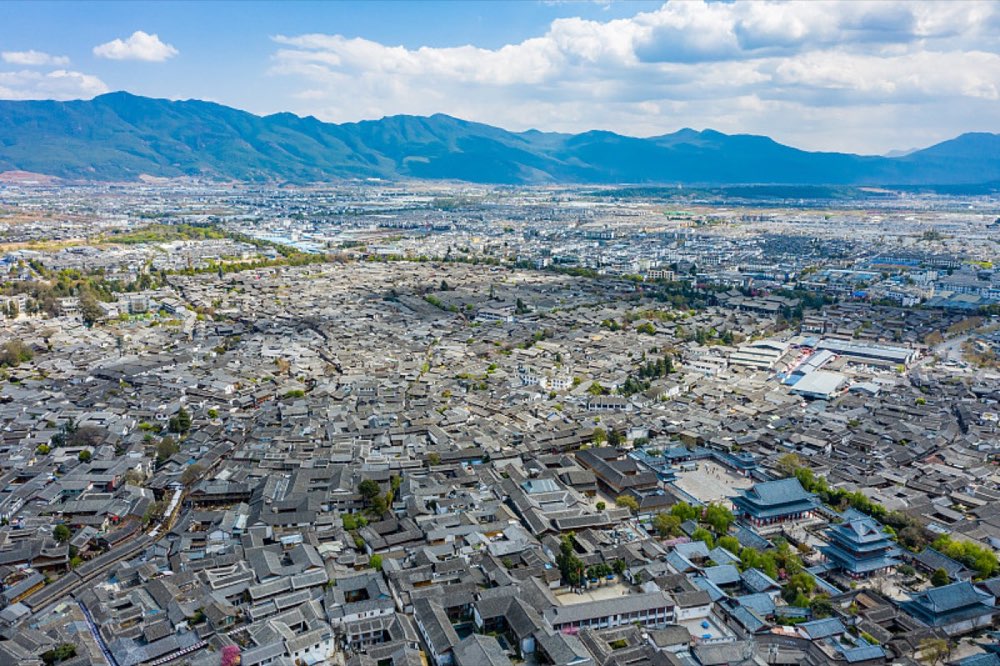
Lijiang
Canals, cobbles, and a 5,590 m mountain
First-timers who want the classic Yunnan picture.
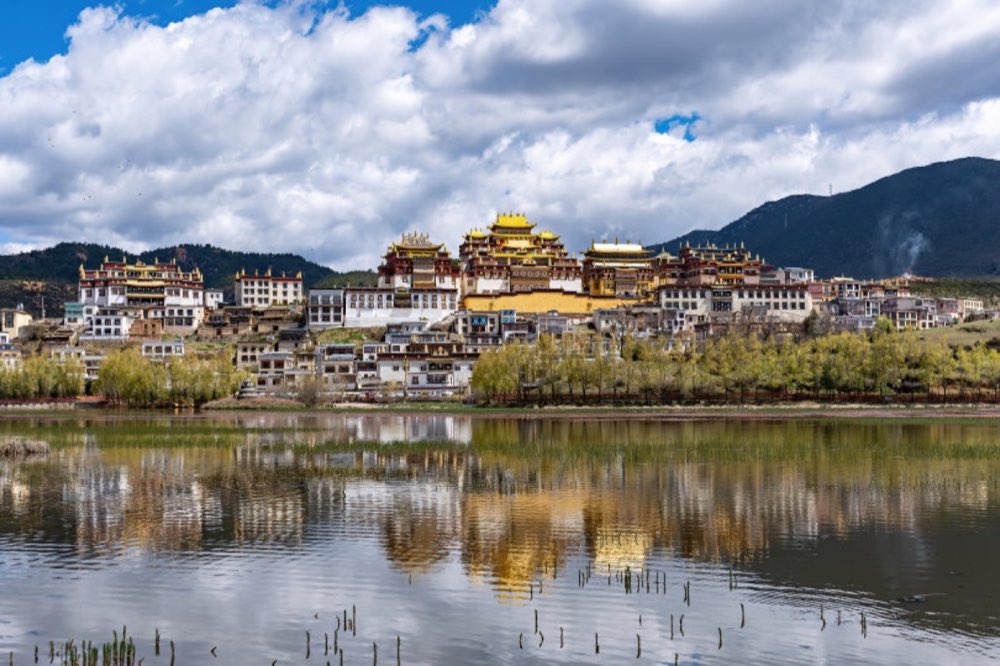
Shangri-La
Tibetan monasteries at 3,300 metres
Anyone willing to go slowly for two days to acclimatise.
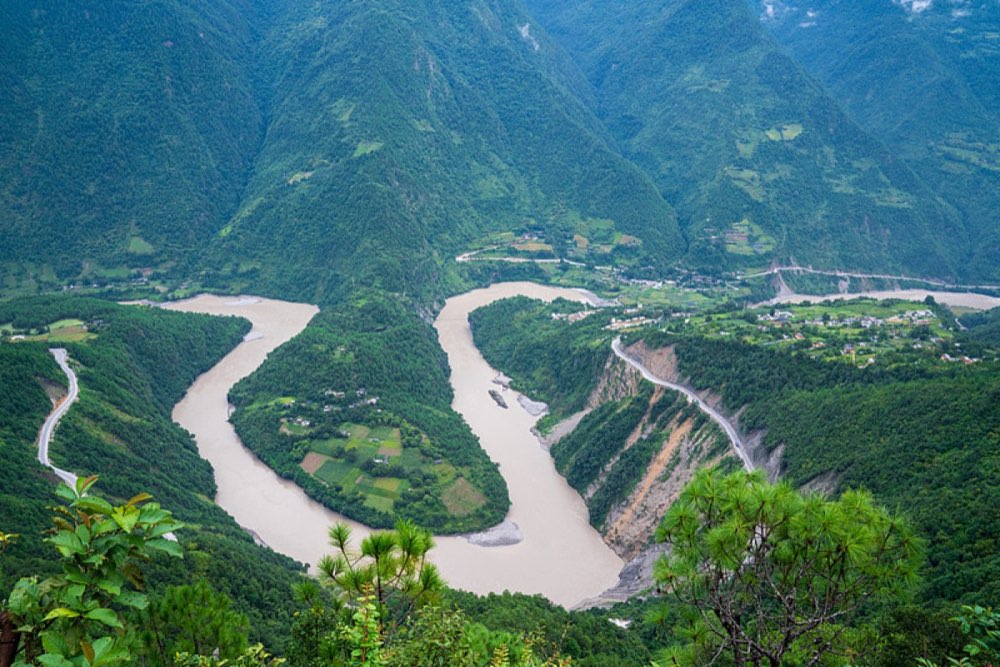
Nujiang
The great gorge, and almost no tourists
Travellers who accept single-lane roads and basic hotels.
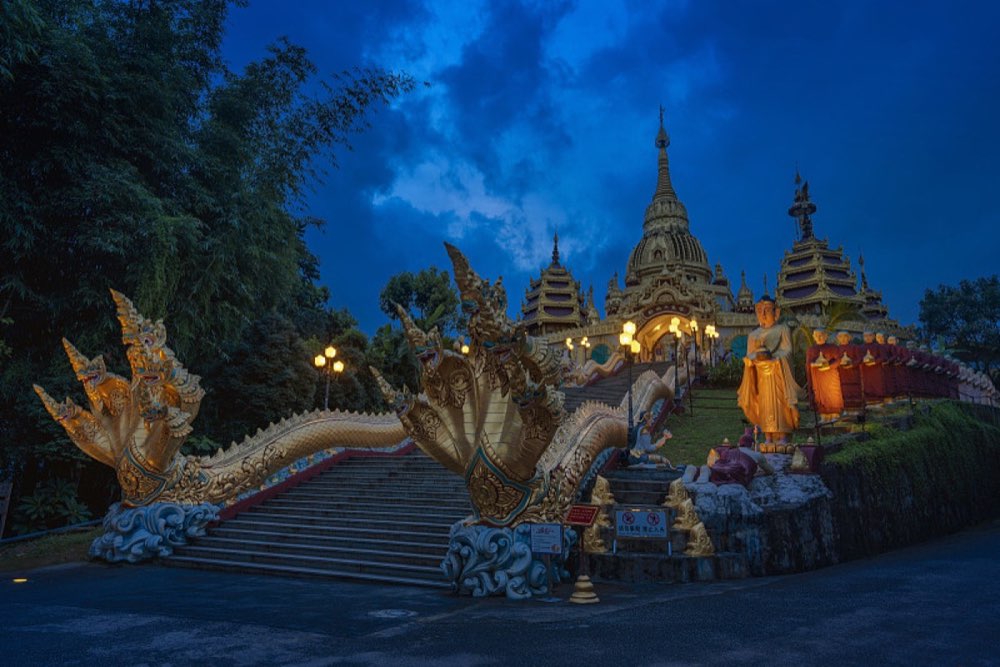
Dehong
Golden pagodas on the Myanmar border
Anyone escaping the cold plateau in winter.
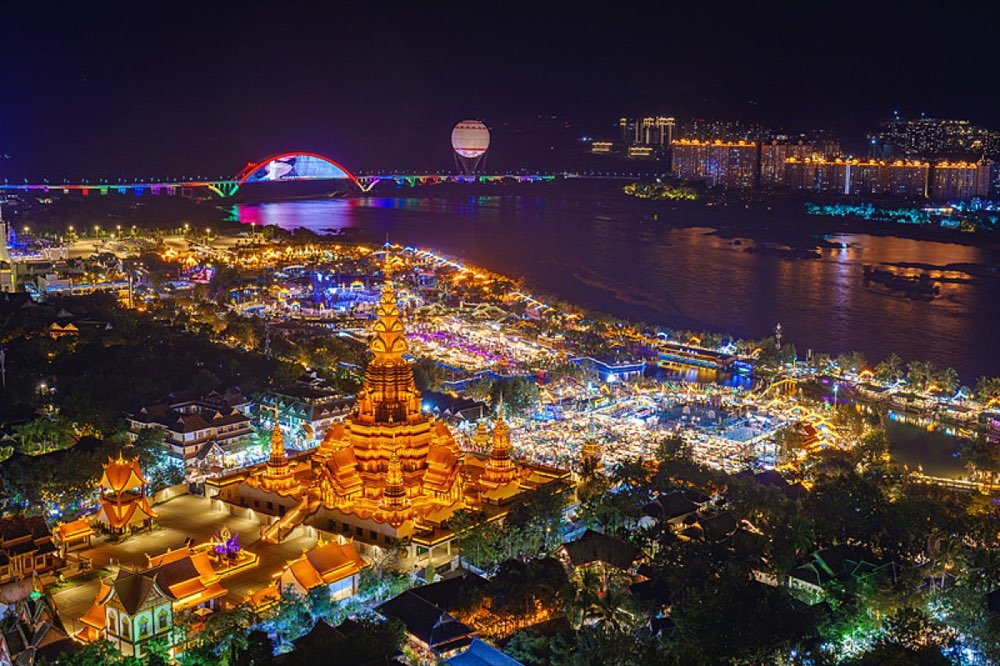
Xishuangbanna
Rainforest, elephants and Dai temples
Travellers who want heat, food and green.
We arrange both, for independent travellers, with no booking fee from you. See Local Services.