Best season
October to May, the dry season. June to September is the landslide season, when the road closes for days at a time.

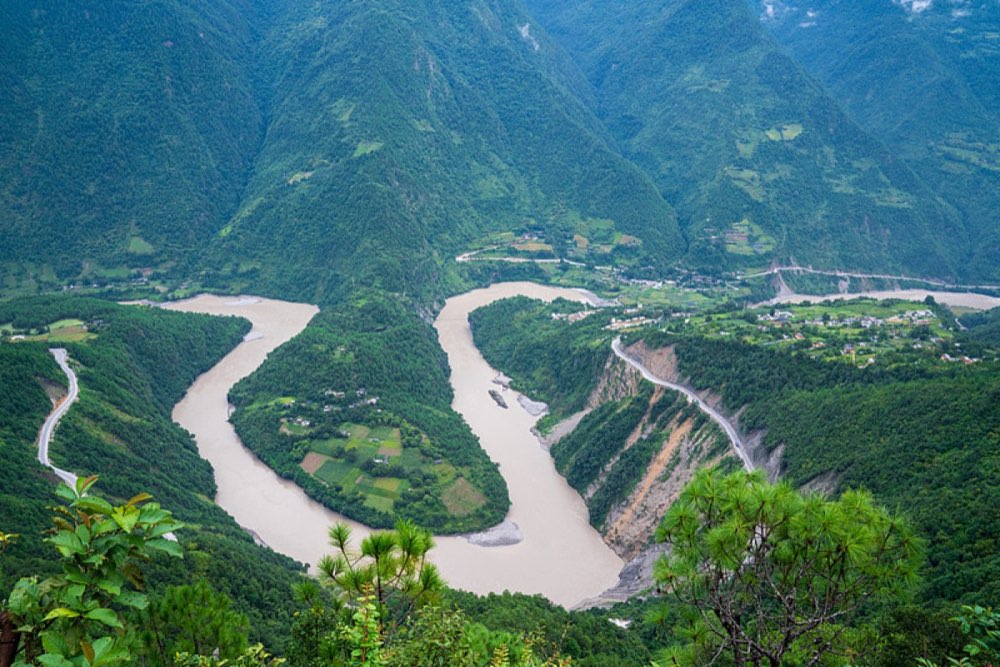
The gorge Yunnan keeps to itself: single-lane roads cut into cliffs, Lisu villages on impossible slopes, and almost no other travellers.
The Nujiang — the Salween in English — runs north to south through one of the deepest gorges on earth, with walls rising two or three thousand metres straight above the river. This is part of the Three Parallel Rivers World Heritage Site, inscribed in 2003, where the Salween, Mekong and Yangtze run roughly parallel through the Hengduan mountains.
It is also the least developed of the six destinations on this site, and that is both the appeal and the problem. The road clings to the cliff above the river for hours at a stretch; villages sit on slopes so steep that corn is grown on terraces you would not believe are walkable. There are no resort hotels and very few foreign visitors.
The drive itself is the sight: a single-lane road cut into the cliff, the river a long way below, waterfalls dropping onto the road, and the opposite wall rising until it disappears into cloud. Sections widen for passing; most do not.
Why it matters: this is the raw landscape that makes the four-hour drive worth it.
Where the Nujiang makes its great bend around a wooded promontory, with the cone of a snow peak behind it. Wuli village, upstream, is a cluster of wooden houses on a terrace above the river; Qiunatong, further up, is the last village before the Tibetan border. The stone gate of Shimen Pass closes the valley behind you.
Why it matters: the most photographed place in Nujiang, and for good reason — but stay overnight to see it after the day-trippers leave.
Beyond the Gaoligong tunnel, a separate river valley that was effectively cut off for most of the year until a road was completed in 1999. The Dulong people live here, spread across a handful of villages on both banks.
Why it matters: remoteness you can actually reach by road, and a culture that has changed faster in twenty-five years than in the previous two hundred.
Laomudeng has a small church with one of the best views in the gorge; above it, Zhiziluo is a former county town abandoned in the 1970s after a landslide was predicted, and left almost intact — an empty town of concrete buildings in the fog.
Why it matters: the strangest and quietest half-day in Yunnan.
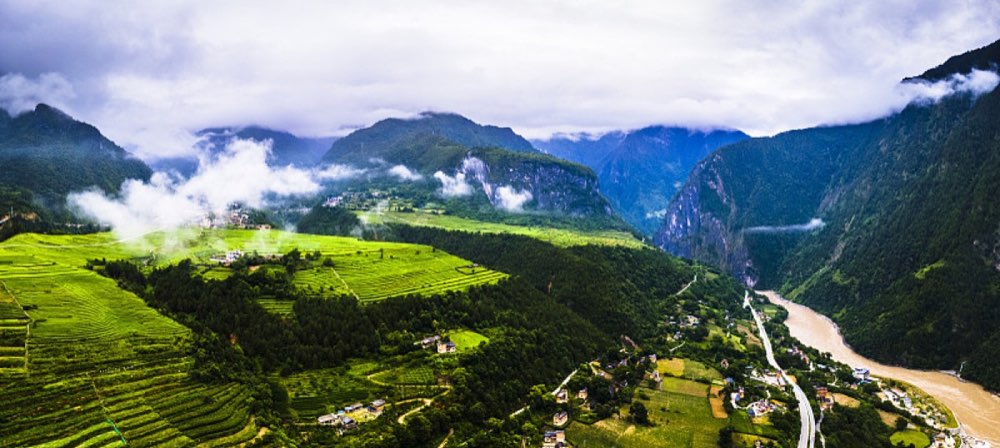
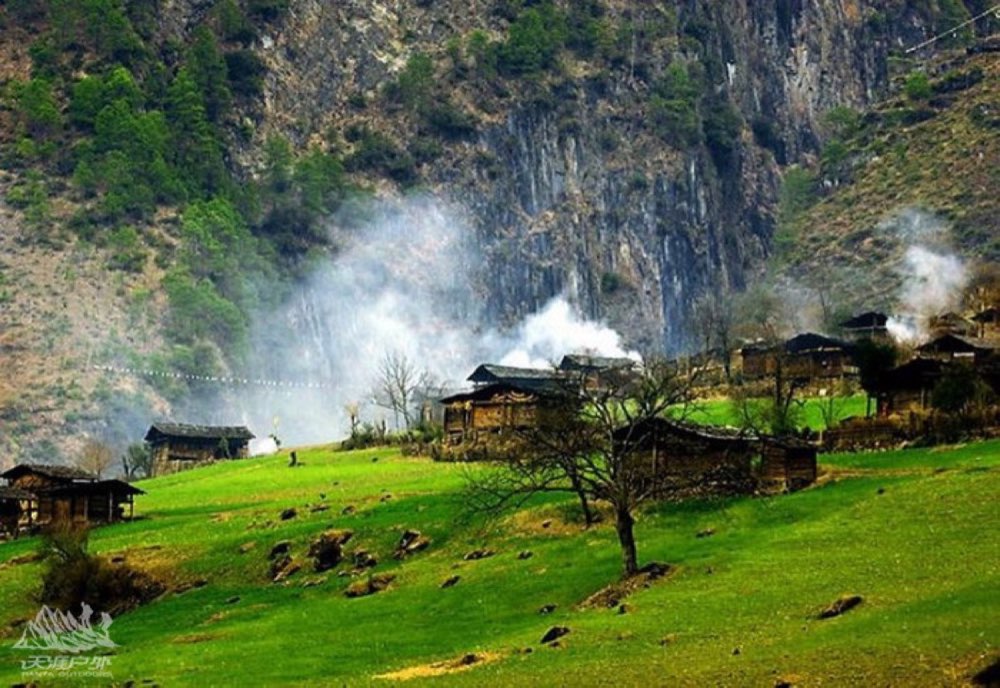
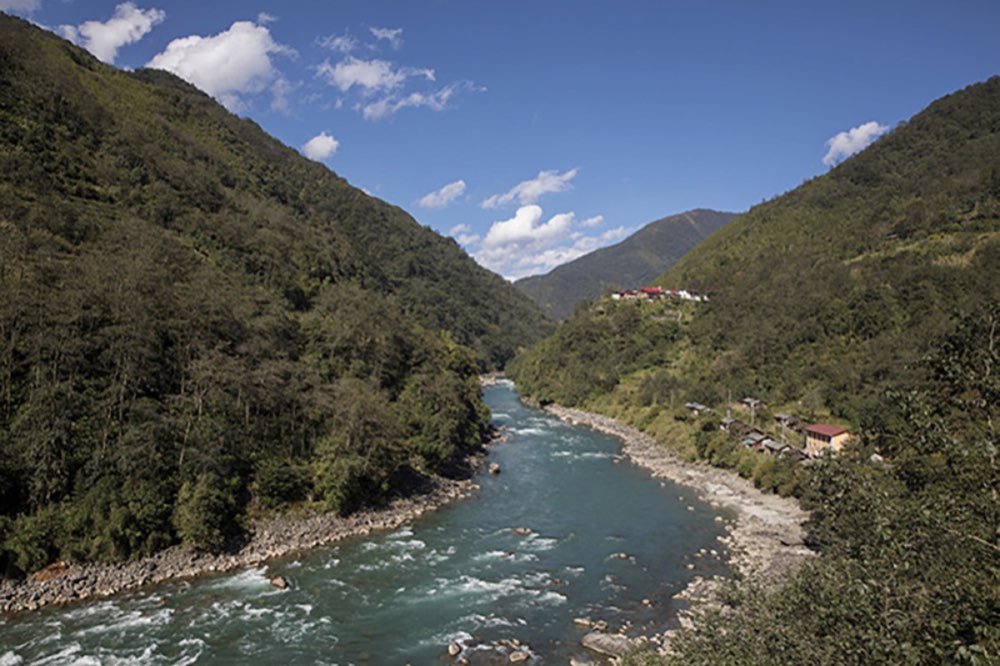
Lisu villages are built into the slope: wooden houses on stone foundations, corn hung under the eaves, crosses over doorways in many villages. Christianity arrived here in the early twentieth century and took root deeply; Sunday singing in the gorge is one of the most striking sounds of the trip.
Life is organised around the maize harvest and the steepness of the land. Ask before walking into a courtyard; a household that farms a slope by hand has good reason to be careful about who comes in.
The Lisu hold their New Year, the Kuoshi festival, around the winter solstice, with the famous knife-pole ritual — barefoot climbing of a ladder of sword blades — and fire-walking through embers. These are religious acts performed by specific villages, not nightly shows; check locally before planning a trip around one.
The Dulong are the smallest group in the region, and the facial tattoos worn by a few elderly women are the most delicate subject on this page. They are a remnant of an old practice, held now by a handful of people in their seventies and eighties, and they are not a tourist attraction. Ask permission, do not offer money for a photograph, and accept a no.
Chicken simmered with oil pressed from lacquer-tree seeds — rich, faintly nutty, and the signature dish of the gorge.
Rice steamed inside a section of green bamboo, so it comes out with a faint woody perfume.
Pork hung over the hearth for months, sliced and stir-fried with whatever is growing on the slope that week.
Cloudy, mildly fermented, drunk warm from a shared cup at gatherings.
We are based in Yunnan and can arrange a car with a driver, or help you find a guesthouse that suits how you travel. See Local Services — inquiry only, no booking fee from you.