Best season
March to May and October to November. June to August is wet; December to February is clear and cold, and the mountain looks best.

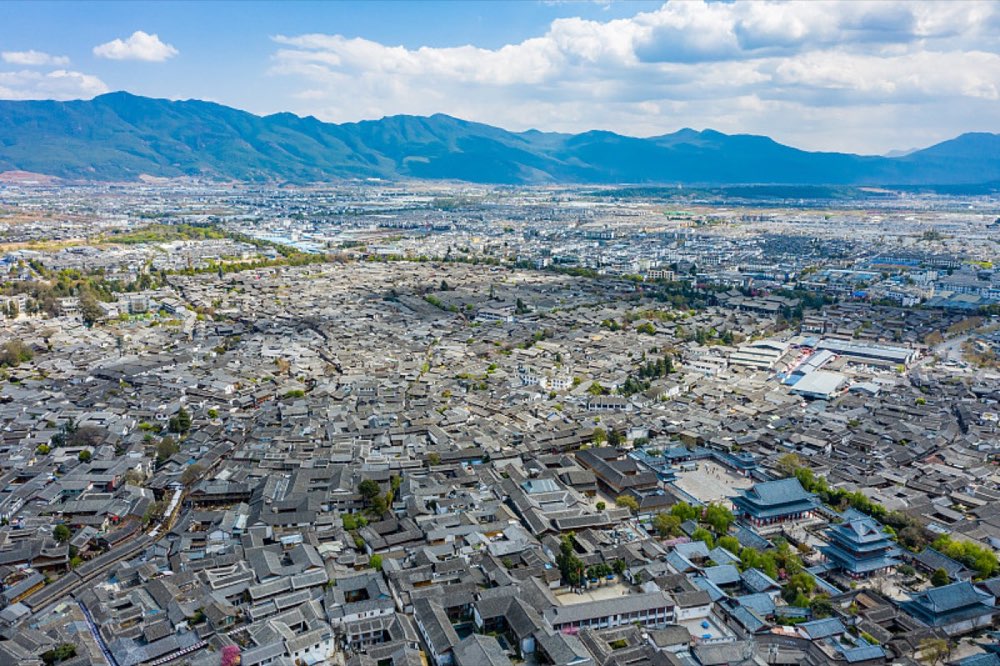
Cobbled lanes, running water, and a snow mountain that looks close enough to touch. It is close — and it is five and a half thousand metres high.
Lijiang's old town, Dayan, was inscribed as a UNESCO World Heritage Site in 1997, and it deserves it: a grid of cobbled lanes that grew around a water system, with springs from the Black Dragon Pool splitting into channels that run past every courtyard. It is also very busy, and that is part of the honest picture.
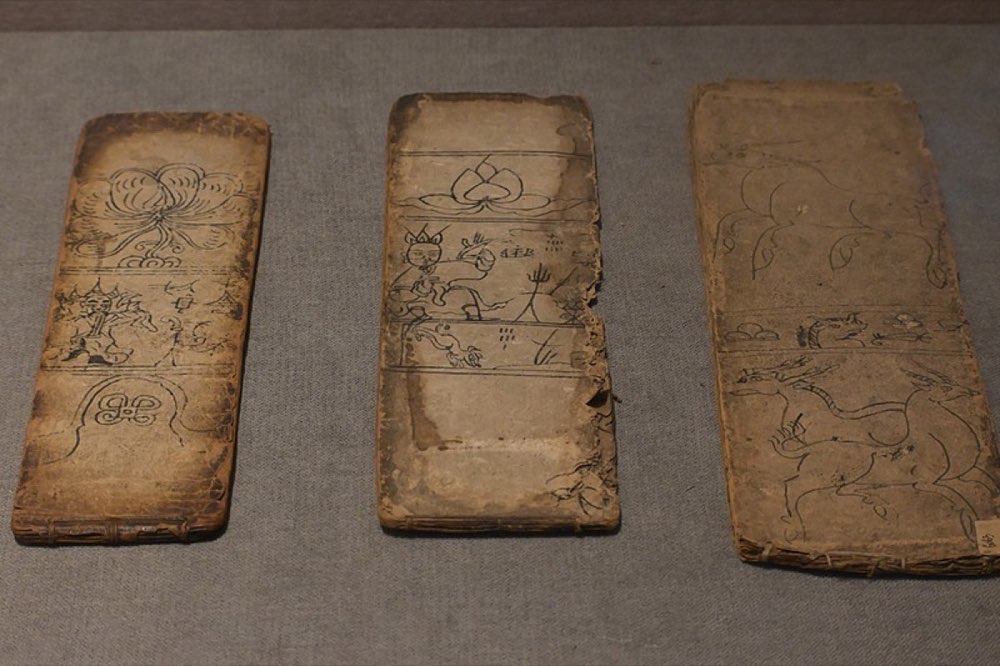
The town is the homeland of the Naxi people. Two things make it unusual: it has no city wall — the story goes that adding a wall around the character for 'wood' would turn it into 'trapped' — and it has kept a written tradition, the Dongba pictographic script, that is still legible to a small number of living readers.
Dayan, with its cobbled squares, wooden shopfronts, bridges over the canals, and the Wangu Tower on Lion Hill for the rooftop view.
Why it matters: the reason people come, and the place to see at 7am before the shops open.
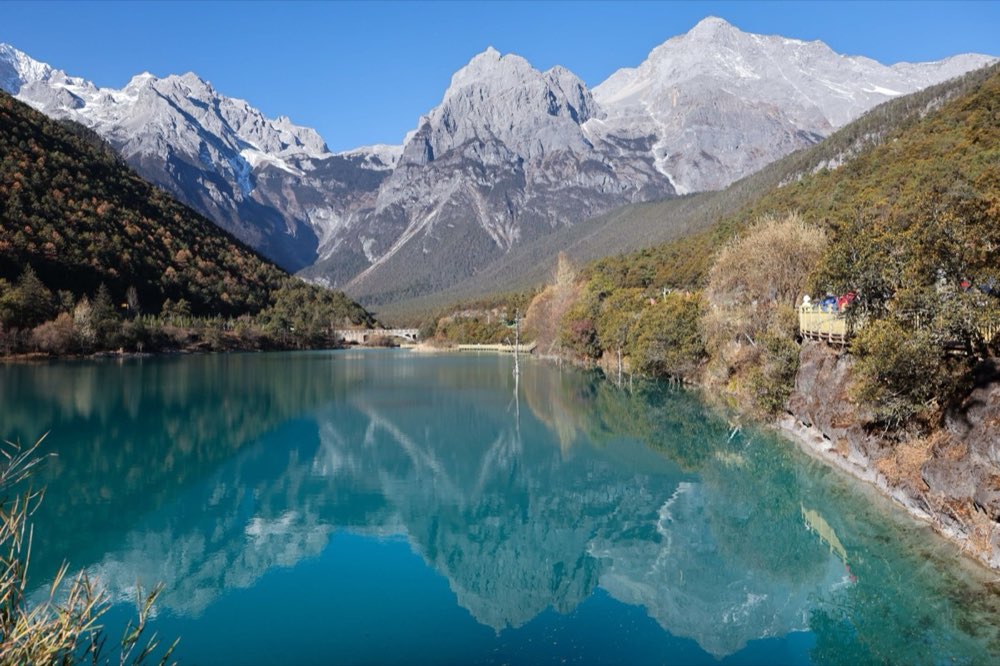
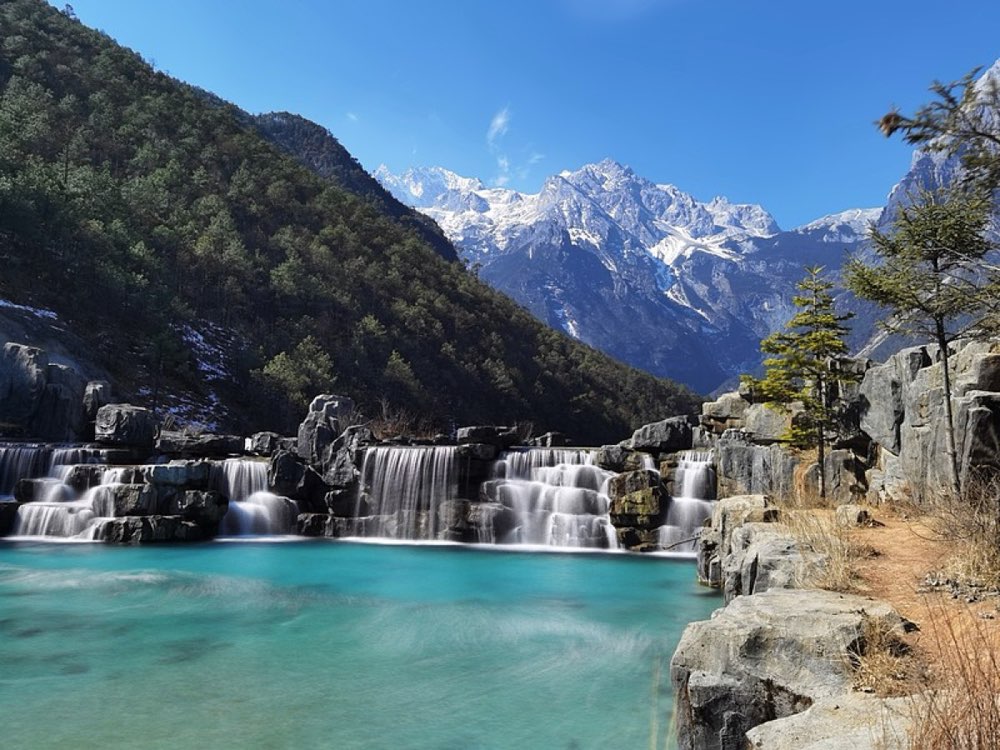
The highest peak, Shanzidou, is 5,590.2 metres as measured in a 2025 survey — older sources still print 5,596 metres, which is now superseded. Below it, Blue Moon Valley holds terraced pools of milky turquoise water fed by glacial melt.
Why it matters: the classic Yunnan photograph, and a real altitude experience.
A small Naxi village north of the old town with Ming-era murals inside its temples, mixing Tibetan, Han and Naxi iconography in a way that makes art historians very happy.
Why it matters: quiet, uncommercialised, and a half hour by bicycle from the crowds.
One of the deepest gorges in the world, with the Jinsha River running between walls that rise thousands of metres. The high trail is a two-day walk with guesthouses at the halfway point.
Why it matters: the best short trek in Yunnan for anyone with strong knees.
Water is the organising principle of the town: channels run downhill through every lane, and in the old days a household's water flowed from the upstream neighbour to the downstream one. Wash only where you see others washing; the channels are still used.
Naxi music is the other tradition worth seeking out. The orchestras play a repertoire of pieces said to descend from Ming-era court music, performed by elderly musicians in small halls around the old town — tourists welcome, and it is not a theme park show.
The Naxi are one of the smaller of Yunnan's recognised ethnic groups, with their own language written in the Dongba pictographs — several thousand distinct characters, used by priests to record rituals. Around twenty thousand volumes of Dongba texts survive, scattered across libraries in China and abroad, and a handful of older priests can still read them.
The Naxi also practice a form of matrilineal arrangement in some communities near Lugu Lake, where property and household names pass through the mother's line. It is a real social system, not a photo opportunity — ask before you photograph inside a home.
A layered flatbread, crisp outside and soft within, sweet or savoury; the local breakfast.
From roughly June to September, dozens of wild mushroom species go into a chicken broth. Cook it thoroughly; the locals do.
Cooled chickpea starch cut into strips, dressed with vinegar, chilli and peanuts — the best thing to eat on a hot afternoon.
Pork belly grilled over charcoal, sliced thin, eaten with a sour-spicy dip.
We are based in Yunnan and can arrange a car with a driver, or help you find a guesthouse that suits how you travel. See Local Services — inquiry only, no booking fee from you.